
Discover how confidence is built in children through supportive learning, communication, leadership opportunities, and engaging education at Beedel Brooke International.
Confidence is not something children suddenly develop overnight.
It is built gradually through encouragement, meaningful experiences, supportive relationships, and opportunities to grow independently.
At Beedel Brooke International, we believe confident children are more likely to participate actively, solve problems creatively, communicate clearly, and approach life with resilience.
That is why confidence building is intentionally woven into everyday learning experiences across our Preschool and Primary programs.
A confident child is not simply loud or outspoken.
True confidence means a child:
Children who build confidence early often carry stronger emotional resilience into adolescence and adulthood.
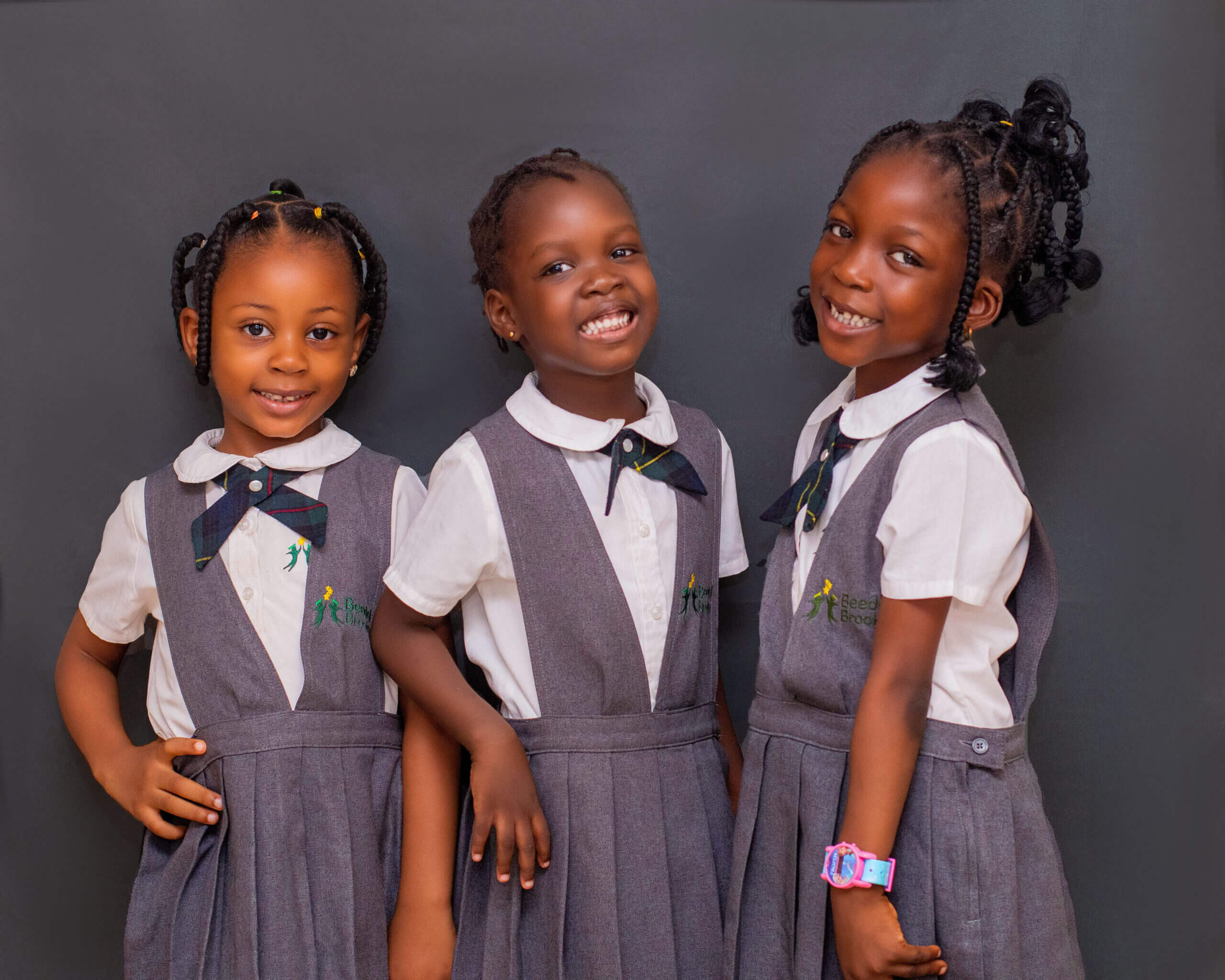
The school environment plays a major role in shaping how children see themselves.
Children thrive when they learn in environments where:
When children constantly feel criticized, ignored, or compared unfairly, confidence can shrink quietly beneath the surface.
This is why learning culture matters deeply.
At Beedel Brooke International, confidence building is not treated as a separate program.
It is part of our learning philosophy.
We intentionally create experiences that help children:
Our classrooms are designed to balance structure with warmth, helping children feel both guided and emotionally secure.
Many children naturally become more confident when they feel safe contributing ideas.
That is why we create classroom experiences that encourage participation through:
Rather than forcing children into performance, we gradually help them develop communication confidence at their own pace.
Over time, even naturally quiet children often begin participating more boldly.
Rather than forcing children into performance, we gradually help them develop communication confidence at their own pace.
Over time, even naturally quiet children often begin participating more boldly.
Children often learn best when learning feels engaging.
Fun-based learning experiences help children:
At Beedel Brooke International, engaging classroom activities help children feel capable rather than pressured.
This creates healthier learning confidence over time.
Confidence grows faster in emotionally safe environments.
Our Learning Facilitators intentionally build warm and respectful relationships with learners so children feel:
Children who feel emotionally secure are often more willing to try new things and overcome challenges.
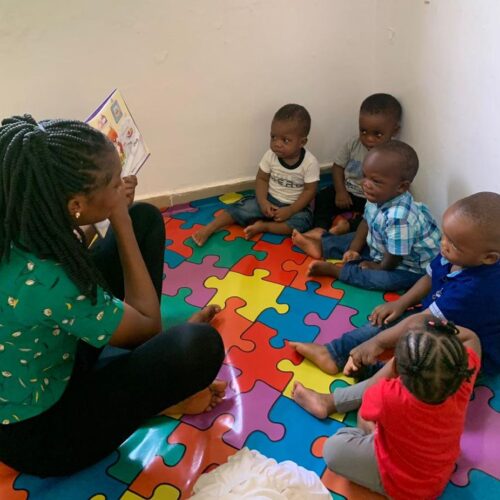
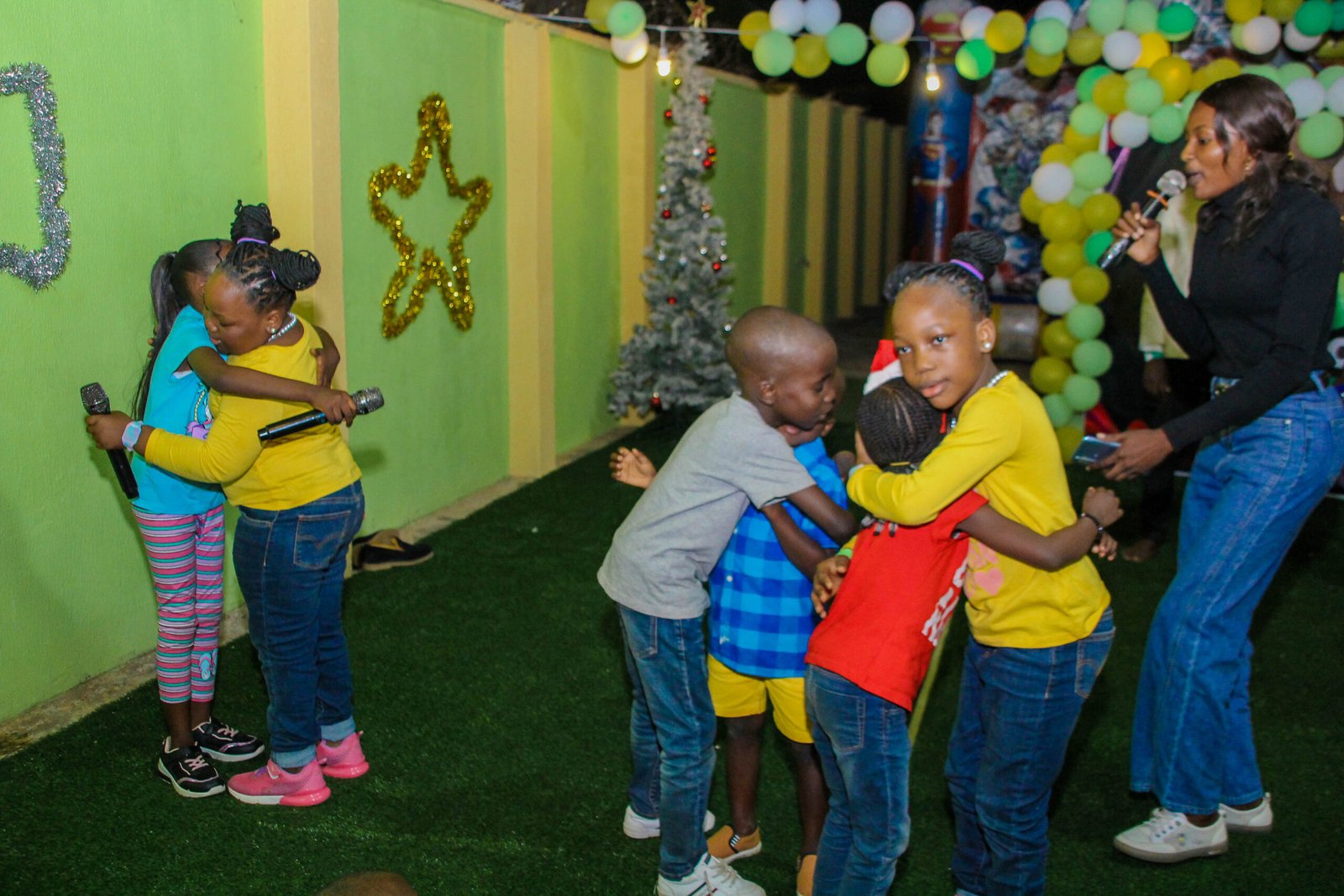
One of the biggest confidence killers for children is the fear of failure.
We believe mistakes are valuable learning opportunities.
Instead of creating fear around errors, we help children:
This growth-oriented mindset helps children develop healthier long-term confidence.
Confidence and leadership often grow together.
Children develop leadership skills when they are trusted with responsibility and encouraged to contribute meaningfully.
We create opportunities for learners to:
These everyday experiences help children develop both confidence and responsibility.
Not every confident child behaves the same way.
Some children are naturally expressive.
Others are thoughtful, observant, and quieter.
At Beedel Brooke International, we understand that confidence can look different from child to child.
Our goal is not to make every child loud.
Our goal is to help every child become secure, capable, expressive, and emotionally healthy in their own unique way.
Confidence grows best when schools and families work together.
Parents can support confidence development by:
When children receive consistent encouragement both at school and at home, confidence grows more naturally.
Rather than forcing children into performance, we gradually help them develop communication confidence at their own pace.
Over time, even naturally quiet children often begin participating more boldly.
The future will increasingly reward people who can:
Academic knowledge remains important, but confidence helps children apply knowledge meaningfully in real life.
That is why confidence building remains an essential part of our educational philosophy.
Schools help children build confidence through supportive teaching, participation opportunities, positive feedback, leadership experiences, and emotionally safe learning environments.
Confidence helps children communicate better, participate actively, solve problems independently, and develop emotional resilience.
Yes. Confidence does not always mean being loud. Quiet children can develop strong confidence when they feel emotionally safe, supported, and encouraged gradually.
At Beedel Brooke International, confidence is built through engaging learning experiences, communication opportunities, leadership development, supportive relationships, and growth-focused teaching methods.
Yes. Children who feel confident are often more willing to participate, ask questions, attempt challenges, and stay engaged in learning.