
Discover how schools and parents can help children become independent learners through responsibility, confidence, problem-solving, and structured support.
One of the most important goals of education is helping children become capable of learning, thinking, and solving problems independently.
Children who develop independence gradually become more confident in their ability to:
At Beedel Brooke International, we believe independent learning is an essential part of preparing children for future success in school, relationships, leadership, and life.
Independence is not developed through pressure.
It grows through guidance, structure, encouragement, and meaningful opportunities to take responsibility.
Independent learning refers to a child’s ability to take increasing ownership of learning and personal responsibility over time.
This includes skills such as:
Independent learners are not children who never need help.
Rather, they gradually become more capable of handling challenges with confidence and responsibility.
Children who develop healthy independence often become more:
Independence also helps children develop stronger problem-solving and decision-making abilities.
When children are trusted with age-appropriate responsibility, they gradually begin seeing themselves as capable individuals.
This confidence can positively influence both academic performance and emotional development.
Children do not suddenly become independent overnight.
Independence develops step by step through consistent experiences that encourage responsibility and self-management.
For younger children, this may include:
As children grow older, independence can expand into:
Healthy independence grows progressively with guidance and support.
Schools play a major role in helping children develop independent learning habits.
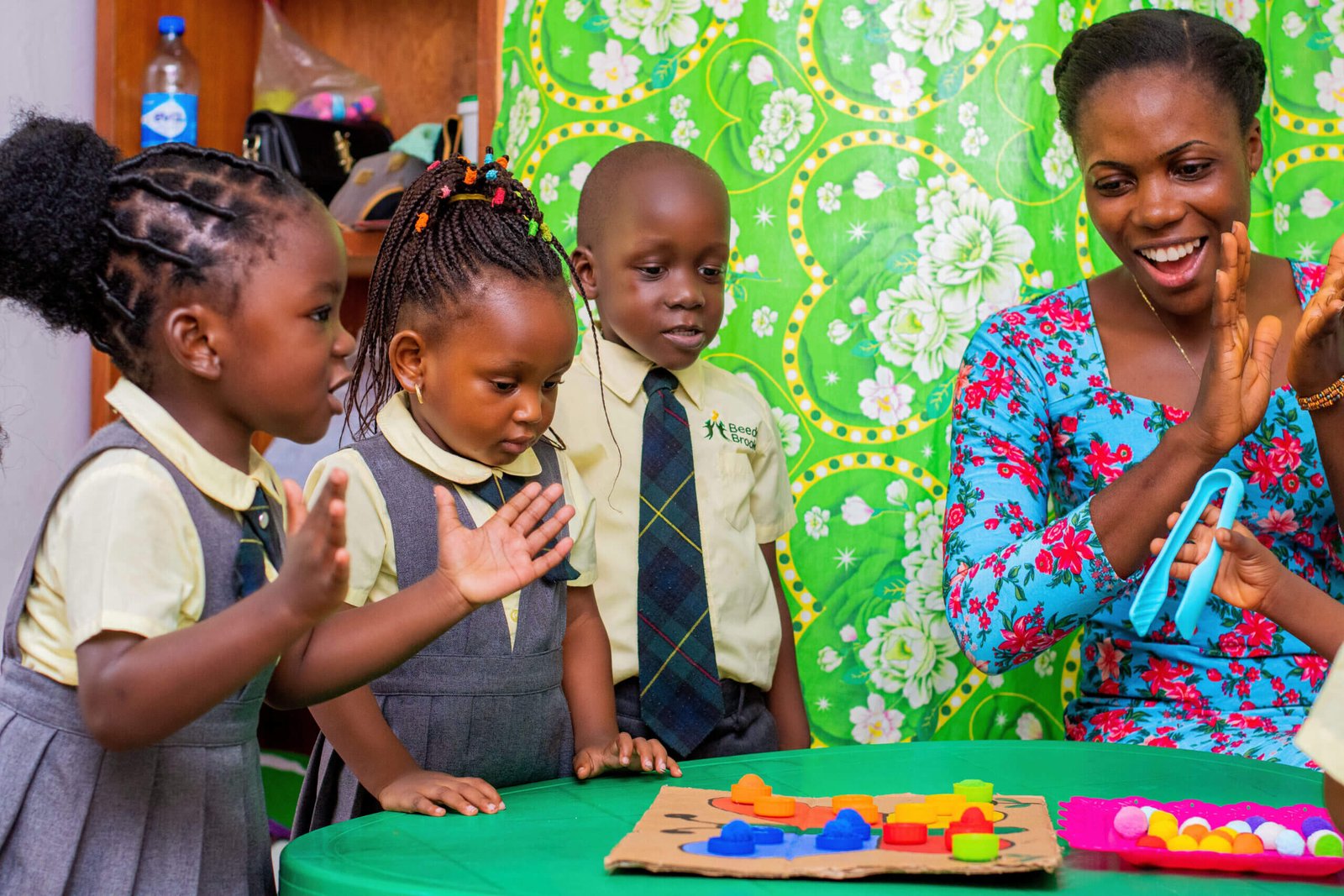
At Beedel Brooke International, we intentionally create classroom experiences that help children:
Rather than encouraging excessive dependence, we help children become active participants in their own growth and development.
Independent learners are often strong problem-solvers.
Instead of immediately providing every answer, supportive learning environments help children think through challenges and develop solutions gradually.
This can include encouraging children to:
Problem-solving experiences help children develop resilience and deeper confidence in their abilities.
Children often become more independent when expectations are clear and routines are consistent.
Structure helps children develop:
At Beedel Brooke International, routines and expectations are designed to support healthy independence while still providing emotional safety and guidance.
Children thrive when support and responsibility work together.
Many independent learning abilities are closely connected to executive function development.
Skills such as:
all help children become more capable independent learners over time.
This is why helping children strengthen executive function skills is an important part of raising responsible and self-directed learners.
One of the biggest barriers to independence is overprotection.
Children learn responsibility partly through experience, including small mistakes and opportunities to improve.
When children are allowed to:
they often develop stronger resilience and confidence.
Supportive correction helps children grow more effectively than fear-based control.
Healthy independence should not feel emotionally unsafe or isolating.
Children still need encouragement, emotional support, guidance, and healthy relationships while learning responsibility.
At Beedel Brooke International, we balance:
This balance helps children develop independence confidently rather than fearfully.
Parents play an important role in helping children develop independence at home.
Children often become more responsible when families gradually allow them to:
Over-assisting children can sometimes unintentionally reduce opportunities for growth.
Children develop confidence when they are trusted with responsibility appropriate for their age and development.
At Beedel Brooke International, we believe children should gradually grow into confident individuals who can think independently, manage responsibilities, and approach challenges with resilience.
By nurturing independent learners, we prepare children not only for academic achievement, but also for meaningful success in life.
Independent learning is a child’s ability to take increasing responsibility for learning, problem-solving, organization, and decision-making over time.
Independent learning helps children develop responsibility, confidence, resilience, organization, and stronger problem-solving skills.
Schools can encourage independent learning by promoting responsibility, critical thinking, decision-making, structured routines, and active participation in learning.
Yes. Healthy independence develops best when children receive both emotional support and gradual responsibility.
At Beedel Brooke International, we intentionally help children develop responsibility, confidence, executive function skills, and independent thinking through structured and engaging educational experiences.