
Discover how schools can help children develop creative thinking, curiosity, problem-solving, and critical thinking skills for the future.
The future will increasingly reward people who can think beyond memorized answers.
Children will need to learn how to:
Creative thinking is not limited to art or imagination alone.
It is an important life skill that influences learning, leadership, communication, and problem-solving.
At Beedel Brooke International, we believe children should be encouraged not only to absorb information, but also to think independently, explore ideas, and engage actively with learning.
Creative thinking is the ability to explore ideas, generate solutions, think flexibly, and approach challenges in original and thoughtful ways.
Creative thinkers often learn how to:
Creative thinking works closely with critical thinking, curiosity, and problem-solving.
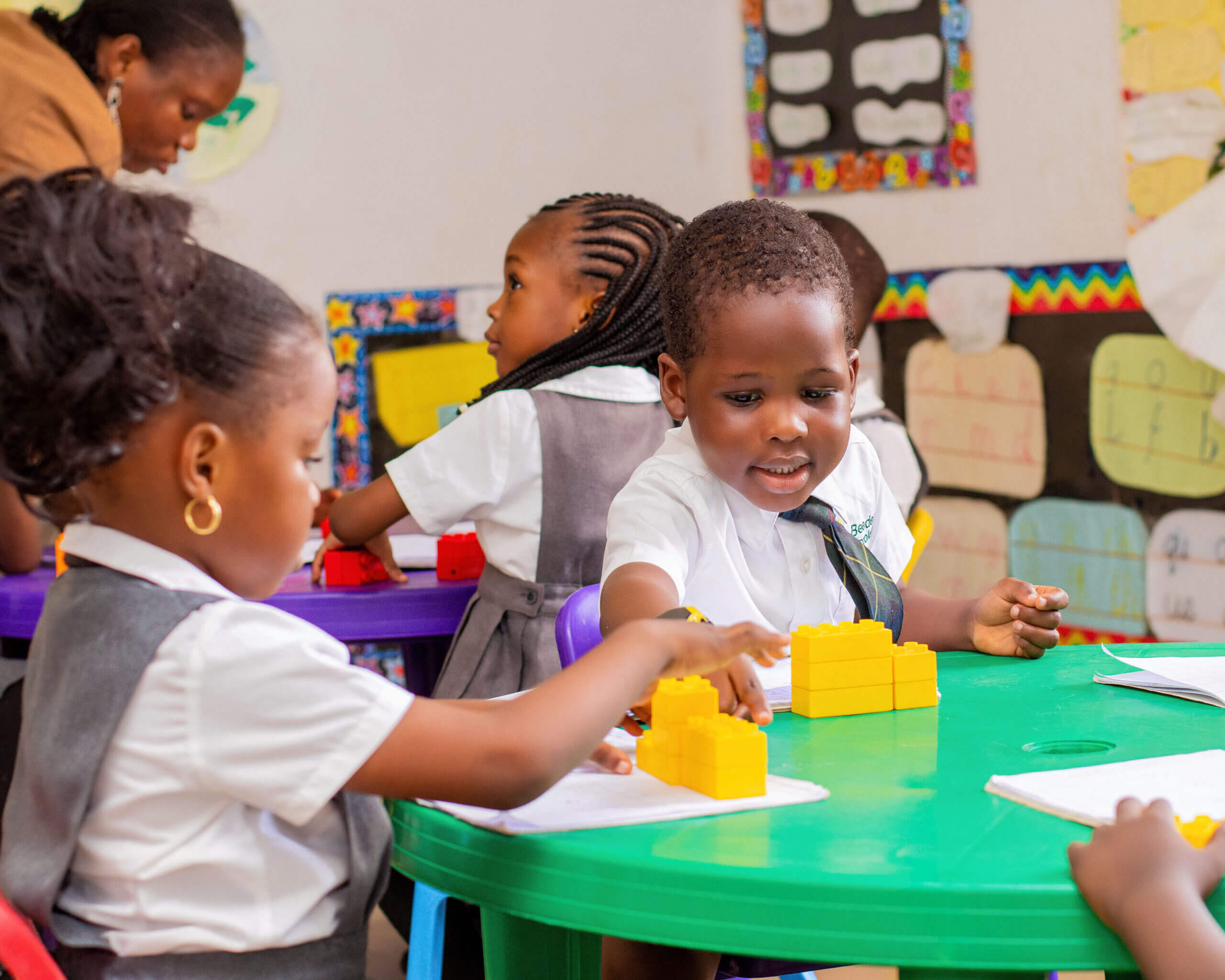

The modern world is changing rapidly.
Children growing up today will likely face future careers, technologies, and challenges that do not yet fully exist.
Because of this, education should help children become:
Children who develop creative thinking skills are often better prepared to adapt, learn continuously, and navigate complex situations confidently.
Many people associate creativity only with drawing, music, or artistic expression.
While creativity certainly appears in the arts, creative thinking also influences:
For example, a child who discovers a new way to solve a problem or explain an idea is already practicing creative thinking.
Creativity is fundamentally about flexible and thoughtful thinking.
Curiosity is one of the foundations of creative thinking.
Children naturally ask questions because they are trying to understand the world around them.
Supportive learning environments encourage children to:
At Beedel Brooke International, we believe curiosity should be nurtured rather than suppressed.
Children often develop stronger thinking skills when they are encouraged to engage actively with learning instead of memorizing passively.
Curiosity is one of the foundations of creative thinking.
Children naturally ask questions because they are trying to understand the world around them.
Supportive learning environments encourage children to:
At Beedel Brooke International, we believe curiosity should be nurtured rather than suppressed.
Children often develop stronger thinking skills when they are encouraged to engage actively with learning instead of memorizing passively.
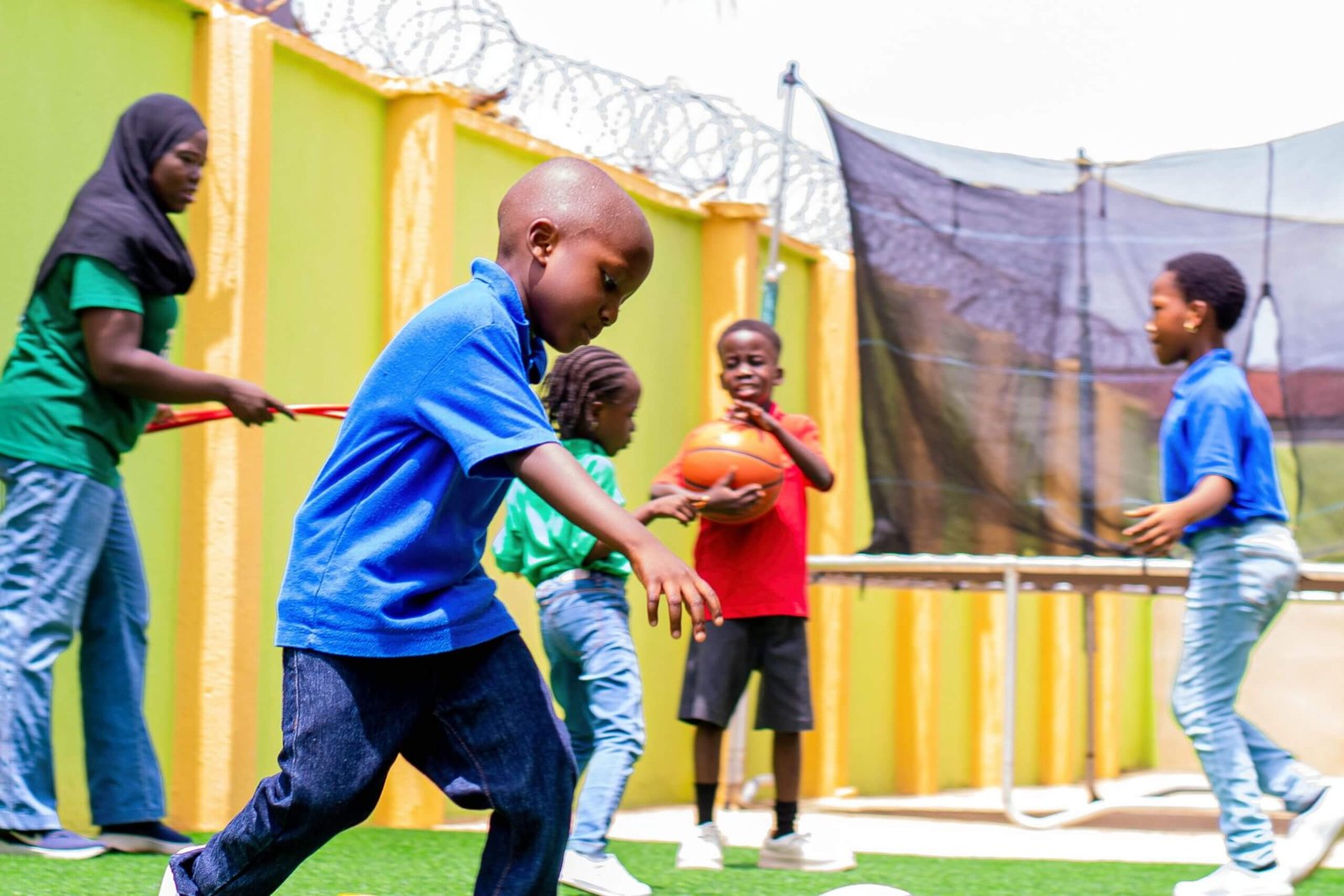
Creative thinking helps children approach challenges more effectively.
Instead of depending entirely on memorized responses, children learn how to:
Problem-solving experiences help children build both resilience and confidence over time.
Children develop creative thinking more naturally in environments where ideas are welcomed respectfully.
At Beedel Brooke International, we intentionally create classroom experiences that encourage:
When children feel emotionally safe expressing ideas, they are often more willing to think creatively and contribute actively.
Creative thinking often grows alongside independence.
Children who are encouraged to think through challenges, make decisions, and explore solutions independently often become stronger creative thinkers over time.
This includes opportunities to:
Education should help children become active thinkers rather than passive recipients of information.
The difference is that learning is delivered in ways that keep children emotionally engaged rather than disconnected.
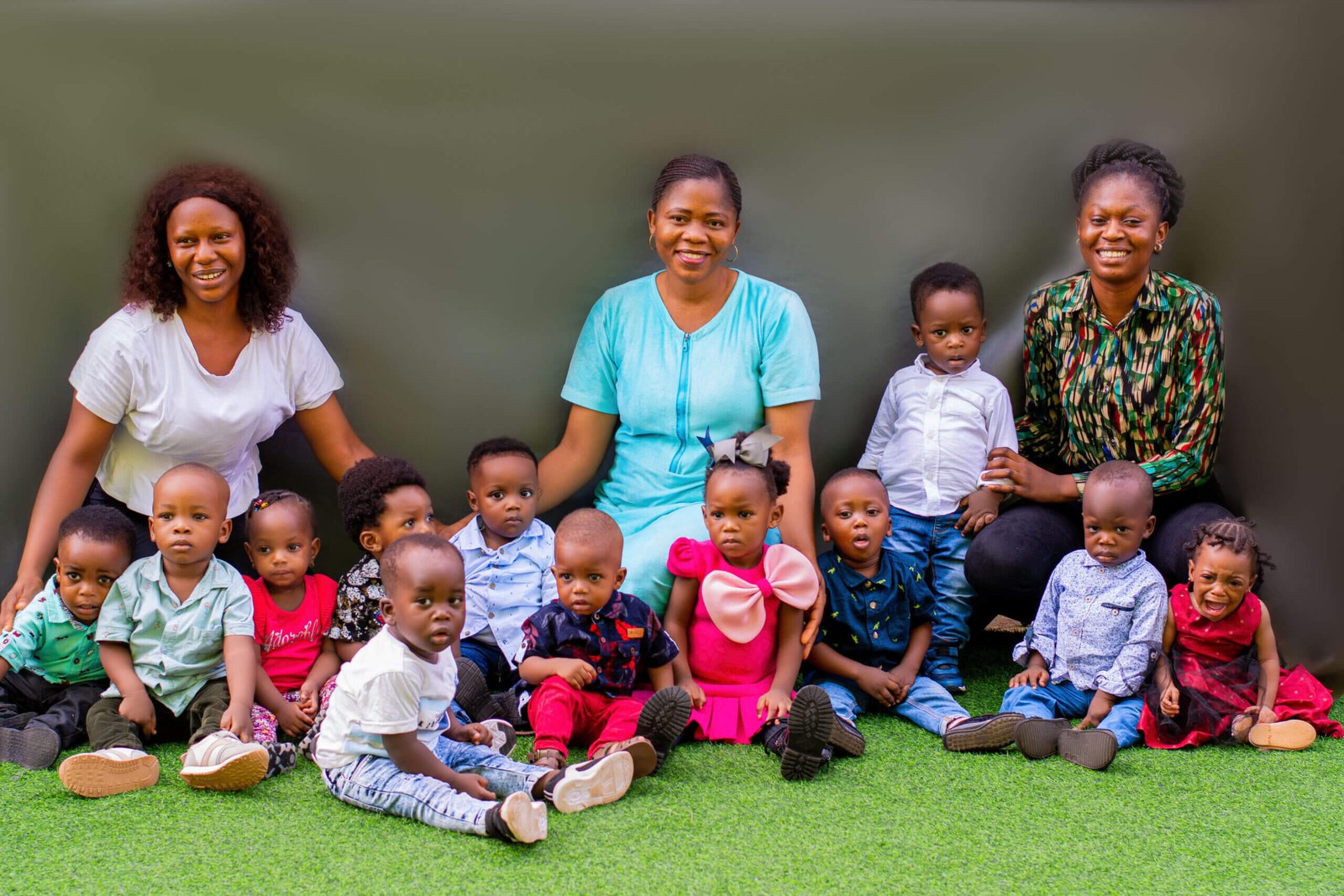
Many creative thinking abilities are connected to executive function development.
Children often rely on skills such as:
when exploring ideas and solving problems creatively.
Helping children strengthen executive function skills can support stronger creative and critical thinking over time.
Fear can limit creativity.
Children who constantly fear embarrassment or failure may become hesitant to share ideas or try new approaches.
Supportive learning environments help children understand that mistakes can be valuable opportunities for growth and learning.
When children feel safe experimenting, they are often more willing to:
Creativity grows more naturally where curiosity is supported rather than punished.
The future will continue to reward individuals who can:
● Communicate effectively
● Collaborate respectfully
● Adapt emotionally
● Build healthy relationships
● Lead with empathy
● Manage challenges calmly
Social emotional learning helps children build many of these important life skills early.
Academic success matters deeply, but emotional intelligence and relationship skills also play
an important role in long-term wellbeing and leadership.
Creative thinking is the ability to explore ideas, solve problems, ask questions, and think flexibly in original and thoughtful ways.
Creative thinking helps children become better problem-solvers, adaptable learners, independent thinkers, and innovative contributors.
Yes. Schools can encourage creativity by promoting curiosity, discussion, exploration, problem-solving, and emotionally safe participation.
No. Creative thinking also supports science, technology, communication, leadership, mathematics, and everyday problem-solving
At Beedel Brooke International, we create engaging and supportive learning experiences that encourage curiosity, independent thinking, collaboration, and problem-solving.
At Beedel Brooke International, we believe education should help children develop the confidence and ability to think creatively, solve problems thoughtfully, and engage actively with the world around them.
By nurturing curiosity and creative thinking, we prepare children for a future that will require adaptability, innovation, and meaningful leadership.