
Discover why social emotional learning is important for children and how schools help develop emotional intelligence, empathy, confidence, and healthy relationships.
Education is not only about academics. Children also need to learn how to:
These abilities are part of what educators often call social emotional learning.
At Beedel Brooke International, we believe emotionally healthy children are often better prepared to learn, communicate, lead, and thrive both inside and outside the classroom.
Children experience emotions every day in school, at home, and within relationships.
Without guidance, children may struggle with:
Social emotional learning helps children build healthier ways of navigating these experiences.
Research increasingly shows that emotionally supported children often demonstrate stronger:


Children experience emotions every day in school, at home, and within relationships.
Without guidance, children may struggle with:
● Frustration
● Impulse control
● Communication
● Emotional regulation
● Peer relationships
● Self-confidence
Social emotional learning helps children build healthier ways of navigating these
experiences.
Research increasingly shows that emotionally supported children often demonstrate
stronger:
● Classroom participation
● Focus and attention
● Relationship skills
● Confidence
● Problem-solving ability
● Academic engagement
Children often learn best in environments where they feel emotionally safe.
When children constantly fear embarrassment, harsh criticism, or failure, learning can
become emotionally stressful rather than engaging.
Emotionally supportive classrooms help children feel:
● Secure
● Encouraged
● Valued
● Respected
● Comfortable participating
At Beedel Brooke International, we intentionally create learning environments where children
can grow academically while also feeling emotionally supported.
Many children need guidance learning how to identify and express emotions appropriately.
Helping children recognize emotions such as:
● Frustration
● Excitement
● Anxiety
● Disappointment
● Anger
● Joy
can improve both communication and self-regulation.
When children understand emotions better, they are often more capable of responding
thoughtfully rather than impulsively.
This emotional awareness is an important life skill that supports both relationships and
learning.
Empathy helps children understand and care about the feelings and experiences of others.
Social emotional learning encourages children to:
● Listen actively
● Respect differences
● Show kindness
● Work collaboratively
● Consider other perspectives
● Resolve disagreements peacefully
At Beedel Brooke International, values such as Love, Respect, and Excellence help shape
the social culture of our learning environment.
Healthy relationships are an important part of healthy child development.
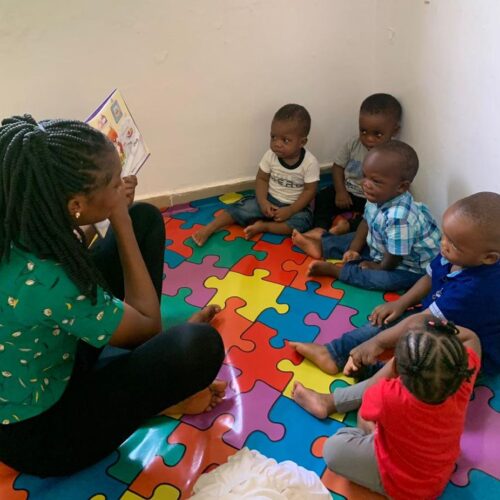
Children often develop social skills naturally through engaging classroom interactions.
Group activities, collaborative projects, discussions, and shared learning experiences help
children practice:
● Communication
● Cooperation
● Patience
● Teamwork
● Leadership
● Listening skills
Interactive learning environments provide children with meaningful opportunities to
strengthen both emotional and social development.
Conflict is a normal part of childhood development.
Social emotional learning helps children develop healthier ways to respond to disagreements
and emotional challenges.
Instead of reacting impulsively, children gradually learn how to:
● Express concerns respectfully
● Listen calmly
● Manage frustration
● Solve problems thoughtfully
● Repair relationships
These conflict-resolution skills can positively influence relationships throughout life.
The difference is that learning is delivered in ways that keep children emotionally engaged rather than disconnected.
Social Emotional Learning and Executive Function
Many social emotional skills are closely connected to executive function development.
Children often need skills such as:
● Self-control
● Attention regulation
● Emotional management
● Flexible thinking
in order to interact successfully with others and participate effectively in learning environments. Supporting emotional development also supports classroom focus, behavior, and independent growth.
Children who feel emotionally supported often become more confident learners.
When children know they are safe to:
● Ask questions
● Make mistakes
● Express ideas
● Participate openly
they are often more willing to engage actively in learning.
Confidence grows more naturally when children feel accepted, respected, and encouraged.
Families play a major role in shaping children’s emotional development.
Children often learn emotional habits by observing how adults:
● Communicate
● Handle stress
● Resolve disagreements
● Express empathy
● Respond to mistakes
Strong collaboration between home and school can help children develop more consistent
emotional and social skills.
At Beedel Brooke International, we believe school-family partnership is an important part of
supporting healthy child development.
The future will continue to reward individuals who can:
● Communicate effectively
● Collaborate respectfully
● Adapt emotionally
● Build healthy relationships
● Lead with empathy
● Manage challenges calmly
Social emotional learning helps children build many of these important life skills early.
Academic success matters deeply, but emotional intelligence and relationship skills also play
an important role in long-term wellbeing and leadership.
Social emotional learning helps children develop emotional awareness, empathy,
relationship skills, self-regulation, and healthy social behavior.
SEL supports emotional wellbeing, confidence, communication, focus, relationship-building,
and academic engagement.
Schools support emotional development by creating emotionally safe environments,
teaching communication skills, encouraging empathy, and guiding healthy social interaction.
Yes. Children who feel emotionally supported often participate more actively, focus better,
and engage more positively in learning.
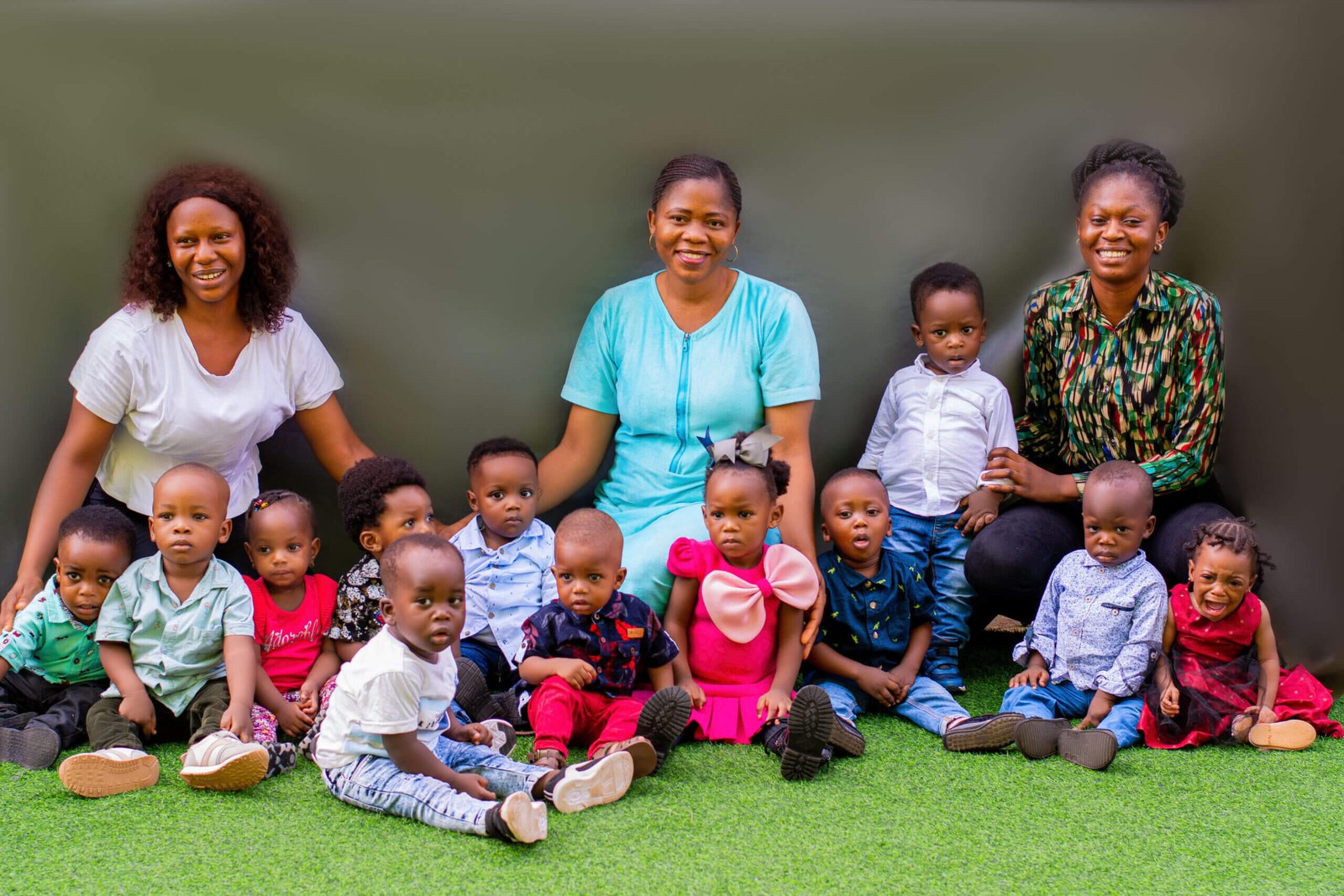
At Beedel Brooke International, we intentionally create emotionally supportive learning
environments that help children build confidence, empathy, communication skills, and
healthy relationships.
At Beedel Brooke International, we believe education should support both the mind and the
heart.
By helping children develop emotional intelligence, empathy, confidence, and relationship
skills, we prepare them not only for academic success, but also for meaningful and
responsible living.